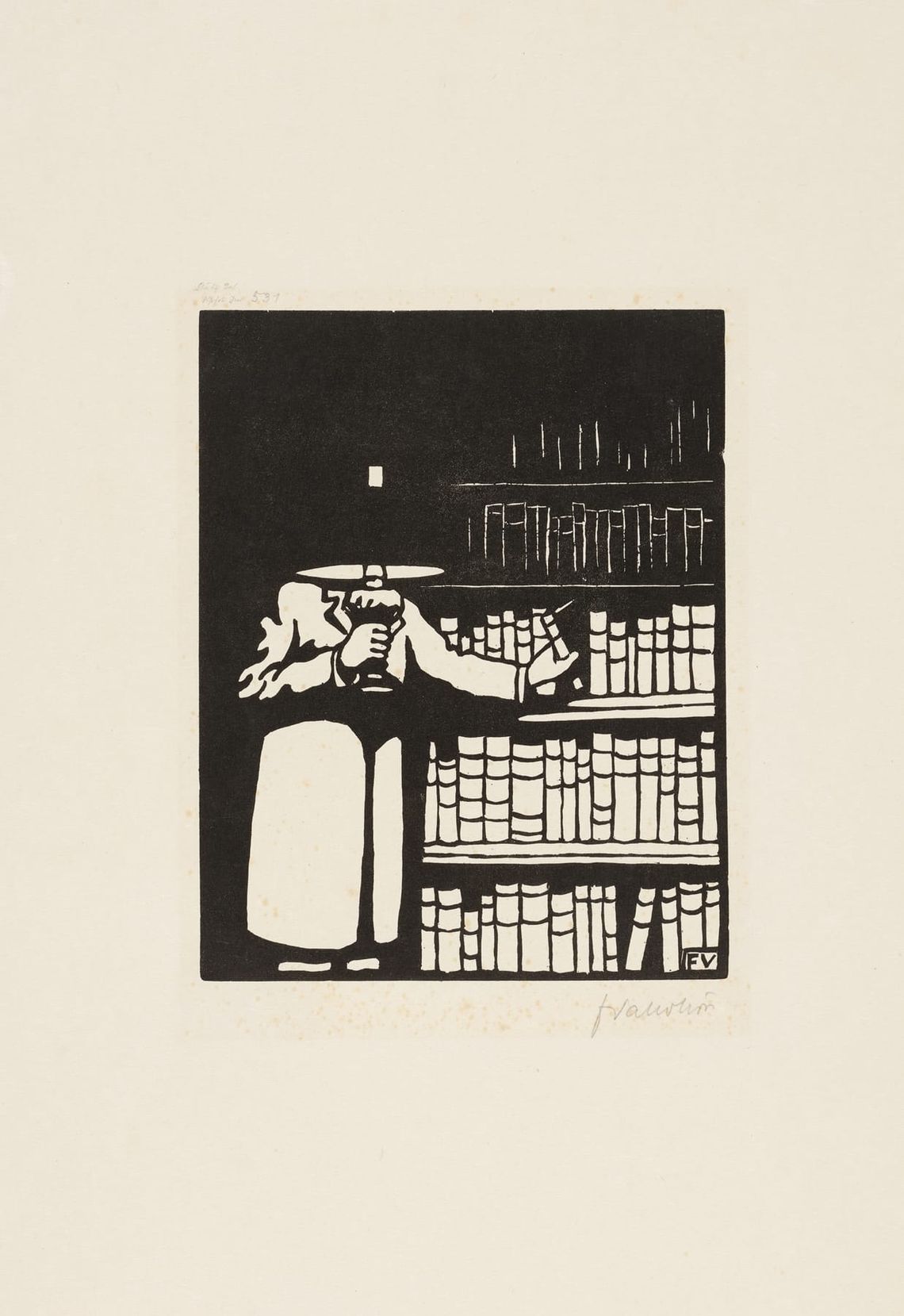
Dilettante
Dilettante. Diletto, delight.
The word was born in 18th century Italy.
It described people who loved music,
simply those who listened for the pleasure of it,
neither professionals nor critics.
The word travelled to France, Germany, England,
and for nearly a century, it carried something almost noble.
The passionate amateur, the curious mind.
The person who accumulated knowledge
the way others accumulated wealth,
with no particular intention beyond the joy of it.
Then came 1883.
Paul Bourget published an essay, Du Dilettantisme,
the industrial age was in full swing,
and productivity had quietly become a moral virtue.
The dilettante turned suspect overnight:
someone who refused to specialise,
to commit, to be useful in the modern sense.
The word hadn't changed, the world had.
What had once meant someone who finds pleasure in things
became shorthand for unreliable, scattered, not serious.
In English especially, the mutation was complete.
And yet, look at who the dilettantes actually were:
da Vinci, Montaigne, Nadar, Lévi-Strauss, Jobs.
People who followed curiosity across disciplines
without asking permission,
whose eclecticism wasn't a weakness but the method.
The dilettante cultivates the pleasure of living
rather than the desire to accumulate.
PARTANT was built for people who still recognise themselves
in the original meaning of the word.
Those who show up out of curiosity.
Emmanuel
PARTANT is a weekend in a European city.
For the culturally restless. Take part →
Emmanuel Denizot for PARTANT